An Interview with Creative Coalition Festival’s Director, Maia Krall Fry
‘The best ideas come out of unexpected conversations’
Author: Rheanne Agius
Creative Coalition Festival, Creative UK’s annual festival for the creative industries, returns for its third year on 28 Feb – 3 March 2023. Over four days, a series of virtual and in-person events will bring together all creative sub-sectors from across the UK, to celebrate the successes of the creative industries and to reimagine and redefine the future of the sector.
We speak to Maia Krall Fry, Festival Director and Head of Development and Partnerships at Creative UK, about what’s in store for this year’s festival.
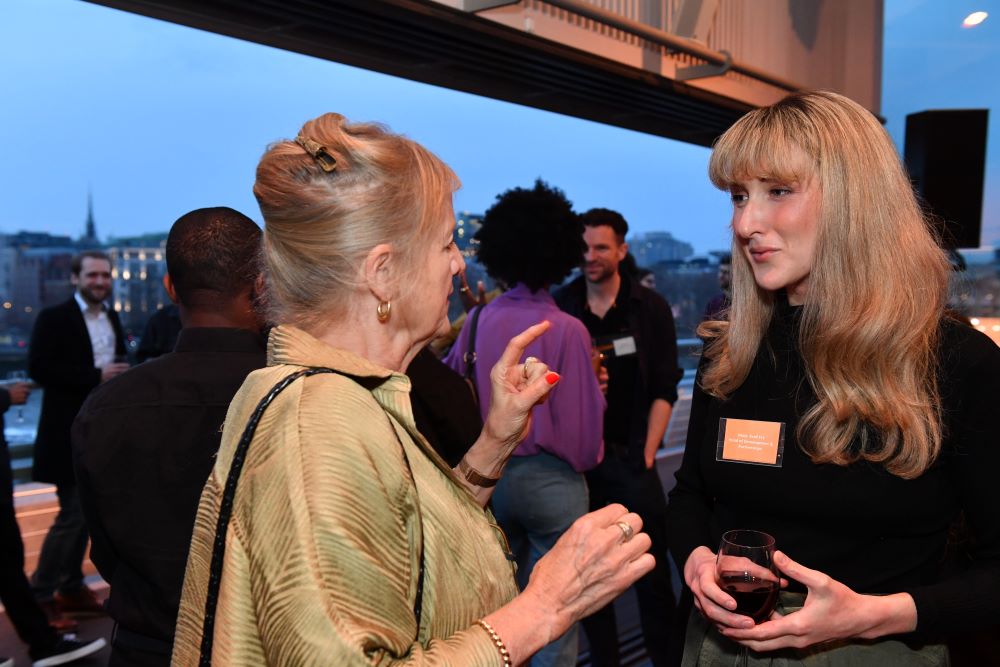
Maia Krall Fry pictured to the right
How would you describe Creative Coalition Festival?
Creative Coalition is a moment to come together and celebrate the success of the sector. Over the course of four days we’ll look forward to 2023 and beyond and explore the latest trends and innovations, as well as look at how we wish to reimagine our creative industries. The festival unites leaders and practitioners from across the full breadth of our sector– including design, TV and film, museums and galleries, fashion, music, theatre, publishing, architecture (and more) – from the UK and beyond. The festival has three days of completely free to access virtual sessions, plus this year we are excited to host an in-person opening gala.
What was the inspiration behind the festival?
In 2020, Creative UK, like many organisations, wanted to understand how we could best support creatives and creative businesses through the pandemic. Our consultation titled ‘Creative Coalition’ gave us unprecedented insights. Amongst other priorities, the overwhelming response was that everyone wanted a moment of coming together and celebrating what the creative sector has achieved, uniting across these different subsectors. Covid was a pivotal moment of change, and this was seen as an opportunity to rewrite our direction and to embrace new creative ways of thinking and working.
What are your main considerations when developing the programme?
Interdisciplinary thinking is at the heart of every year’s editorial direction for the festival. Working across the creative sectors and with the full range of organisational types produces wonderful bubbles of debate and new ideas being formed.
The unique editorial angle for each year’s festival stems from the challenges raised by members throughout the past 12 months. This year we’re focusing the festival on designing our new normal, specifically designing changes that will shift the world. We’ll look at some of our major inequalities and challenges that we are facing both globally and, in the UK, looking at sustainability, diversity, skills and education, and even access to the creative industries. We ask, can creative skills and creativity in thinking and innovation could provide solution?
You describe the festival as virtual and in-person. Can you speak a bit about these two formats, and how visitors can access the festival?
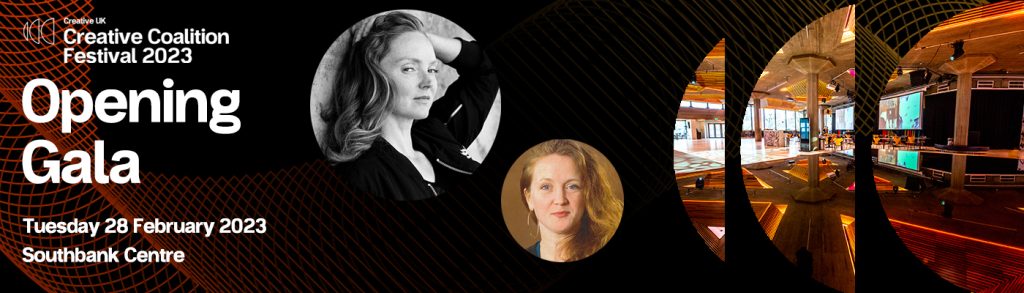
This year, on 28 February, we are hosting an Opening Gala at Southbank Centre in London which is going to be a dazzling evening of performance, debate, and coming together to set the scene for the next three days of virtual conference. Since we conceived the festival, mid-pandemic, we have been looking forward to being able to bring audiences together in person.
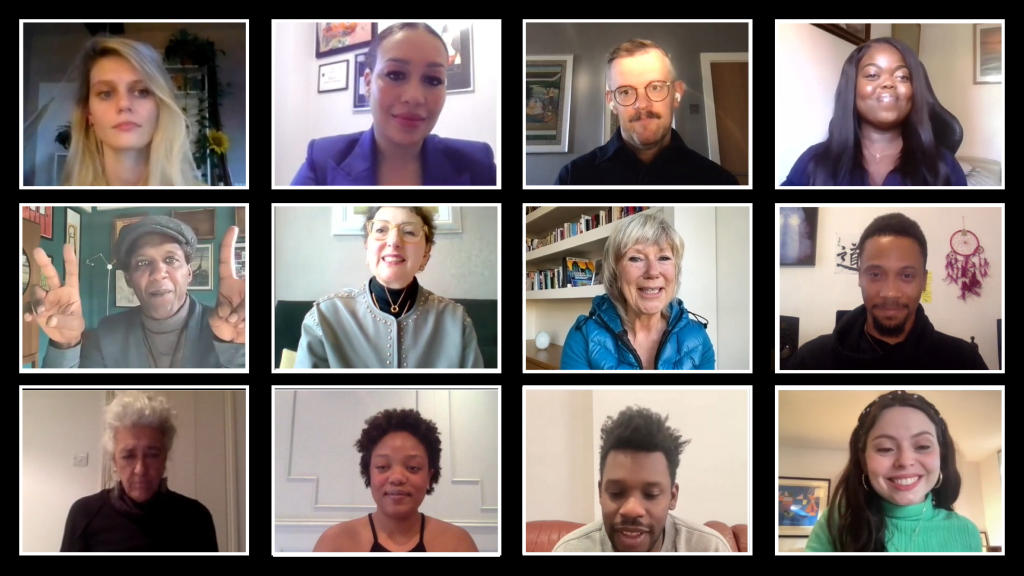
Our free virtual festival is so important for us in reaching people across the UK and beyond. Through the event platform, people can send messages from the chat box, which is wonderful because we’re all about providing an environment where these serendipitous connections can occur. You can also log in from any device to meet creative leaders and creative practitioners from around the world.
Who is the festival for?
The festival is for everyone! We have such a broad audience within the creative sectors, and our broad programme reflects that. Our 50 sessions, debates, keynotes, panels, workshops, experiences, and performances, mean each audience member can choose the sessions they want to attend. We really work to ensure that there is something for each type of creative or leader in our network. Whilst they may have different interests, the audiences are here because they see the value in creative skills shaping the UK’s future.
What do you hope students can get from attending?
Certainly insights into future possibilities for careers and how to access them. There will also be sessions that are more focused on earlier career individuals – for example how to gain experience in the industry, as well as what freelancing means and how to become a freelancer.
We also hope that a sense of inspiration is instilled – at the festival you will hear the most incredible voices from across the sector, telling their own journeys of what got them to where they are today. We run a podcast series called Pigeonholed looking at creatives who refuse to be put in a box. It looks at the twists and changes that creatives have taken throughout their careers to get where they are. Personally, this is some of my favourite content because it proves that we’re no longer in this professional world where you’re expected to study something and stick to it your whole life. Hopefully these stories show students that no matter what you’re studying, you can craft a career in the creative industries – but you have to craft it, and it’s your career to design.
Is there anyone in the line-up you’re particularly excited about?
Yes! We announced Lily’s Cole’s involvement together with the Rt Hon Michelle Donelan and Hollie McNish for the opening gala. Lily Cole will discuss how creativity can tackle some global sustainability challenges and the climate crisis, as well as her experience as a climate activist in the creative industries. For me, the climate crisis is a personal priority and hearing what she has to say is something that I’m looking forward to, as well as exciting performances to follow.
Book your free tickets for Creative Coalition Festival here, or attend our Opening Gala with 40% off (promo code: STUDENT40)
Author: Rheanne Agius