Members Spotlight: Calm Nest Collective
// Member News // Members Spotlight
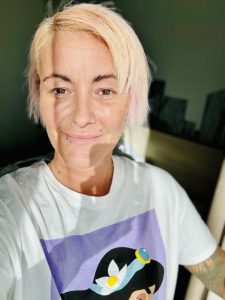
I’m Nika Brunet Milunovic, founding director of Calm Nest Collective; a consultancy and design studio creating sensory-friendly, neuroinclusive spaces and experiences for events, workplaces, and public venues.
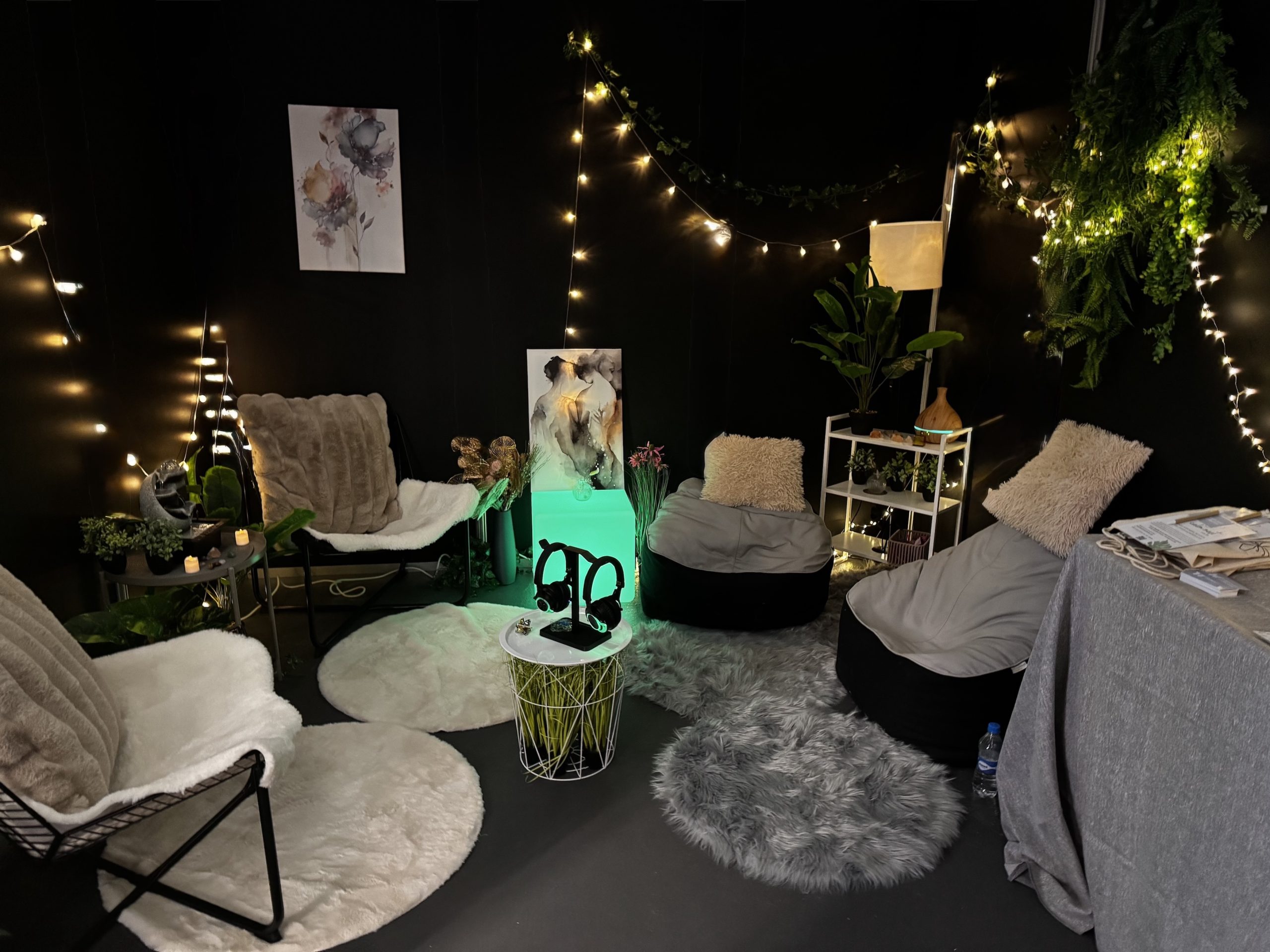
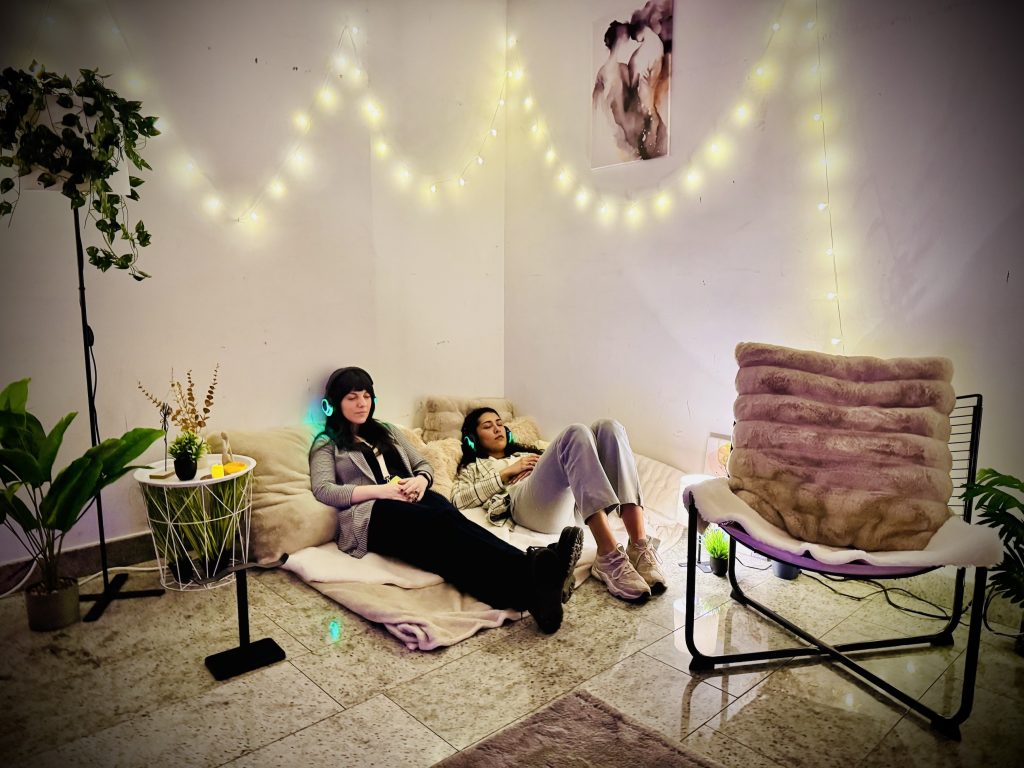
After seven years in corporate and over 12 years in the events industry, I realised how often wellbeing, accessibility, and neurodiversity were treated as afterthoughts. Calm Nest Collective exists to change that by helping organisations design spaces and experiences that are calmer, kinder, and more inclusive from the start. Our work includes sensory-friendly event design, quiet rooms, calm corners, inclusive sustainability strategies, and practical support for organisers who want to do better but aren’t always sure where to begin. At the heart of this is our Calm by Design Framework, which helps embed neuroinclusion into every stage of planning through sensory design, psychological safety, workforce wellbeing, inclusive communications, and regenerative event culture.
I’m also a social worker, a PhD researcher on mental health and neurodiversity in the events industry, host of the Pink Nest podcast, and a mentor to people in events and early-stage founders. My mission is simple: to make events, workplaces, and public spaces work better for real human needs.
I’m currently focused on growing Calm Nest Collective, supporting clients with sensory-friendly and neuroinclusive event design, and developing our Calm by Design Framework to make inclusive spaces easier to plan and deliver. Alongside that, I’m continuing my PhD research on mental health and neurodiversity in the events industry.
One of our proudest achievements has been creating and delivering sensory-friendly spaces and inclusive event experiences that genuinely help people feel calmer, safer, and more able to take part. I’m especially proud that our work is helping shift the conversation around accessibility beyond physical access alone, towards a more holistic understanding of neuroinclusion, wellbeing, and psychological safety. Building Calm Nest Collective into a space where these issues are treated as essential rather than optional feels like a meaningful achievement in itself.
Calm Nest Collective champions EDI by helping organisations design spaces and experiences that are inclusive from the start, not as an afterthought. We focus on neuroinclusion, sensory accessibility, psychological safety, inclusive communications, and workforce wellbeing, all of which shape whether people can truly participate and belong. Our approach is practical as well as values-led: we support event organisers, workplaces, and public venues with tools, frameworks, and on-the-ground design thinking that makes inclusion easier to implement. We also use our platform, mentoring, and content to keep challenging the idea that accessibility is only about physical access, and to push the sector towards more human-centred, equitable practice.
Three things I’m loving in the sector right now are:
– More people are finally talking about neuroinclusion, mental health, wellbeing and sensory accessibility in a serious way, not just as a nice extra.
-There is growing recognition that wellbeing and psychological safety matter for both attendees and event teams.
– I’m encouraged by the rise of more values-led, purpose-driven businesses that want to design experiences with people at the centre. These shifts give me real hope that the sector is moving towards something more thoughtful, inclusive, and human.
– Ongoing misogyny and the way women and marginalised people are still not always taken seriously in the sector.
– Accessibility being treated as a box-ticking exercise rather than something that should be embedded from the start.
– Burnout culture and the expectation that people should push through at the expense of their wellbeing.
My dream collaborator would be an organisation or festival team that genuinely wants to embed neuroinclusion, accessibility, and wellbeing from the start, not as a last-minute add-on. In terms of a collaboration, I’d love to work with a major cultural venue, conference, or global festival that is ready to rethink the whole attendee journey, from communications and arrival, to sensory design, calm spaces, and staff wellbeing. A partnership like that would be exciting because it could create a real model for what more inclusive events can look like in practice.
Creativity means finding thoughtful, human-centred ways to solve problems and make people feel something. For me, it’s not just about ideas that look good on paper, but about creating experiences, spaces, and systems that actually work better for real people. In my work, creativity is about imagining what could be done differently: calmer spaces, more inclusive journeys, and more meaningful ways for people to take part without overwhelm. It’s where strategy, empathy, and innovation meet.
For me, creativity also means allowing it to have an open door in our spaces. It’s about creating environments where people feel invited to express themselves freely, whether that’s through the way a space is designed or through simple creative tools like colouring books and other calming activities. In that sense, creativity becomes something people can step into naturally, rather than something they have to switch on. It helps make spaces feel more welcoming, playful, and human.
Next for Calm Nest Collective is continuing to grow our work across events, workplaces, and public venues, with a stronger focus on embedding neuroinclusion and sensory-friendly design from the start. We want to keep developing the Calm by Design Framework, reach more organisations that are ready to do better, and expand the impact of our consulting, spaces, and resources. We are also looking ahead to building more partnerships, and continuing to use research, mentoring, and content to help shift the sector towards calmer, kinder, and more inclusive ways of working.
I think the UK’s cultural and creative industries need to move from performative inclusion to real structural change. That means embedding equity, accessibility, and neuroinclusion from the start, not treating them as optional extras or last-minute fixes. We also need better wellbeing practices, fairer working cultures, and stronger accountability around who gets heard, funded, and given opportunities. The sector can be incredibly innovative, but it will only be truly creative if more people are able to access it, shape it, and thrive within it.