Working in Costume for Film & TV:
An Interview with Freya Alcock
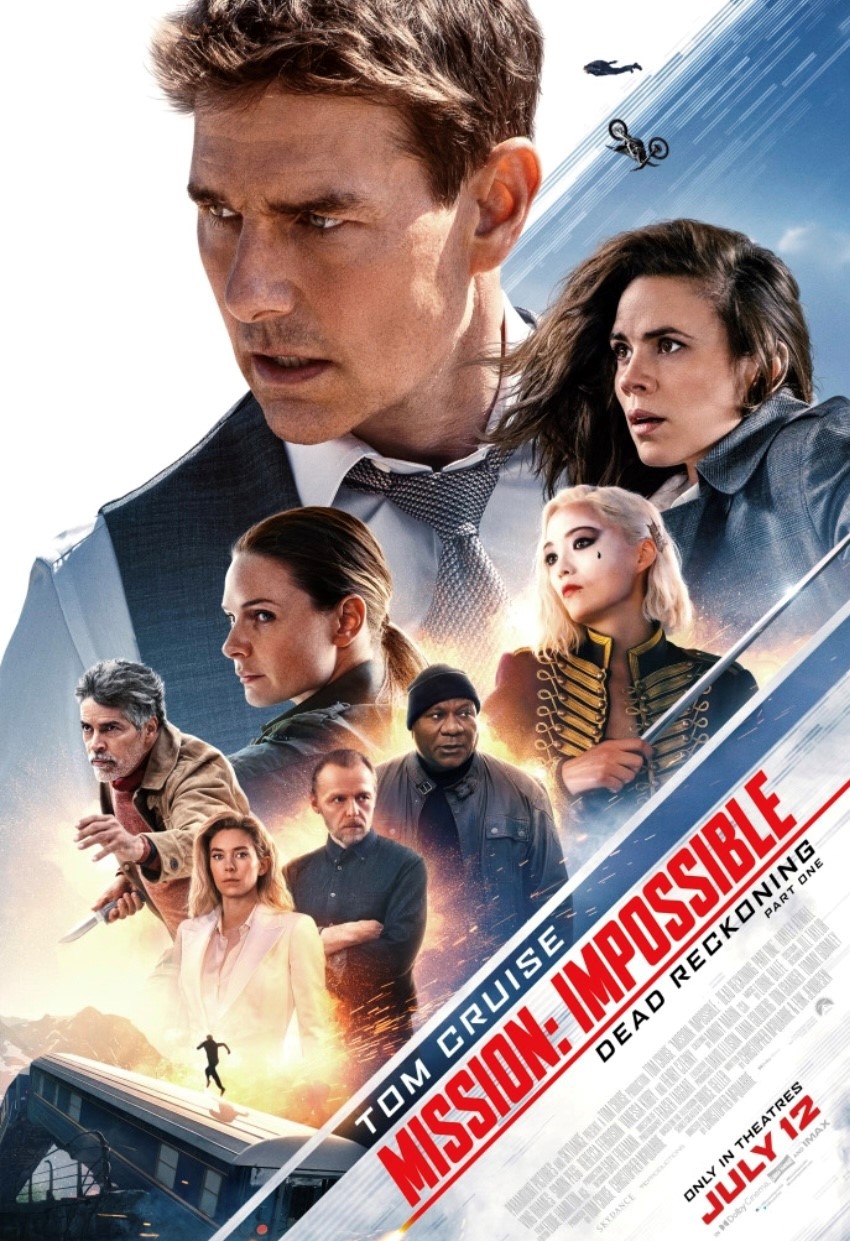
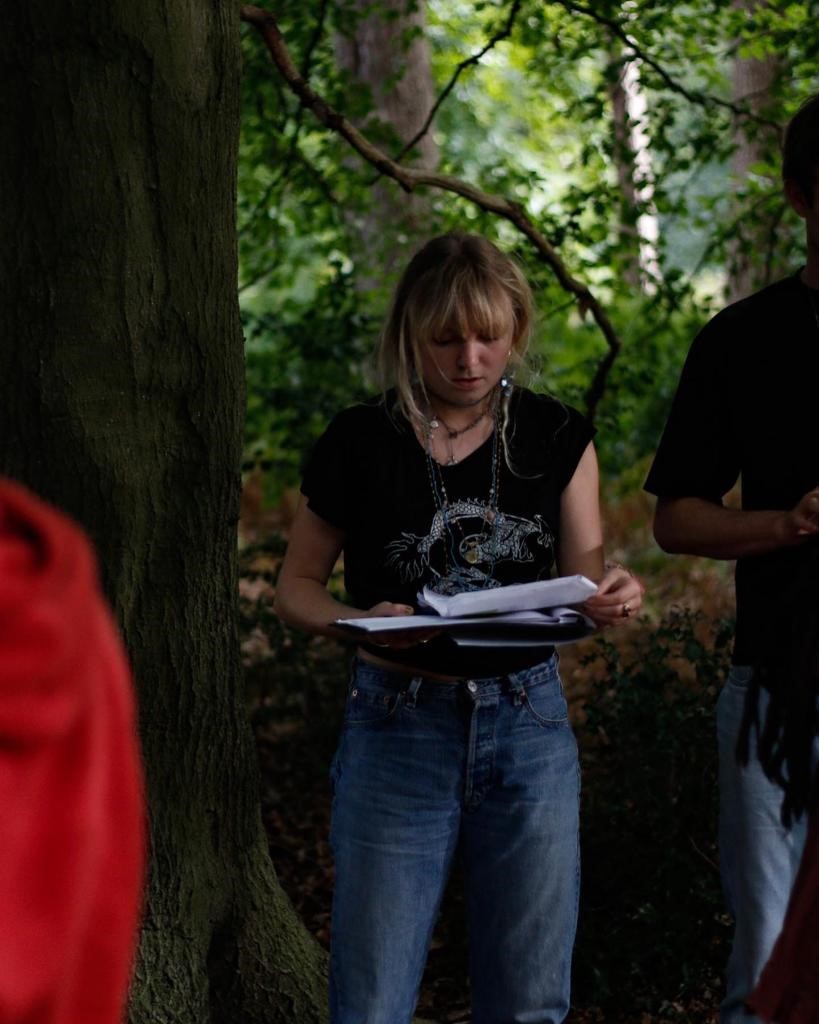
Freya Alcock, 24-year-old MetFilm graduate, has been working in costume since 2019, on film sets including Mission Impossible, Star Wars, to name a few. Our student writer, Lucy Hunt, sat down with Freya to hear more about what it’s like working in the industry.
We are going to talk a little bit about your university career in a sec, but first could you talk about your early school life, your introduction to art and when you discovered you wanted to pursue a future in the creative industry?
I first discovered I had a passion for creativity and liked being very hands on within my learning when I was around 16. I’d spend all my time in the art block, and I loved fine art. I didn’t know much about textiles and fabrics. I always thought of it as fashion, just dresses and clothes, instead of embroidering art onto pieces. I discovered textiles and took it up at 17, and just fell in love. Every moment I had, I would be at the sewing machine creating. I also had a great art teacher who really gave me confidence and made me feel like this was a career option. It’s great when you have someone behind you saying, ‘This is amazing’ and ‘You should keep going’. Also, when I was at school, we got the opportunity to go to Paul Smith’s office in London and it was inspiring to see how some people just fall into it. They find their passion and go after it.
It’s interesting what you say about falling into things because you’ve spoken about your love for textiles and what drew you to it, but how did that merge with film? Where did film come in? Because you wind up going to MetFilm School, so what made that happen?
Ever since I was young, I wanted to be an actress. To the point where I was the lead in the school play, I was the Bossy Christmas Fairy and I rocked it. But then, growing up, you become self-conscious, puberty hits, insecurities, and I thought, ‘Acting, not my thing’. But I still wanted to be involved in film, I loved it, so I thought about all the other departments that are behind the camera. My passion for film really came from when I had troubles at school, I was bullied, which I developed an eating disorder from, which strained my relationship with my family. Every weekend they’d ask me what I wanted to do, and I’d always say the cinema because it gave me two hours where my parents weren’t looking at me eating, we weren’t talking about me eating or me being sad. I could just disappear into the film. That’s where it really came from. It helped me out of the dark times.
When did you decide to pursue film as a career and how did you go about that?
It’s kind of funny, because I never wanted to go to university. I thought, what’s the point? I’m going to dive straight into the industry and make myself known, work really hard. But because I had such a rubbish time at school, my mum said, “I really think you should go to university!” She found MetFilm and said “we should go to the open day and just see.” So, we went, and I was dead set on only doing the six-month course, I wanted to be in and out quick. But my mum convinced me to go to the three-year seminar talk. Went to it and about a minute in I turned to my mum and said “I want to do this course! I want to be here! I want to go here!” So, I applied, got in and had a good three years. And right before, I worked for five months on a tv show, which really gave me the confidence to go in and think, ‘I really do want to do this.” Because you know, a year out can kind of make you think, “do I really want to go back into education?” But I was definitely ready for it.
Okay, so now you’ve left university, you’ve done the three years and now you’re on set. What was your first job? And what did a standard day entail for you?
My first ever job in the film industry was a costume runner on ‘Avenue 5’ season 1 – HBO, at Leavesden Studios. I was working closely with the costume designer in the office. That was a very different side of the film. I was never really on set, more running into London to get last minute costumes, buying or deliveries, just all the admin. Or I’d meet the designer for a fitting, which was amazing. I’d try to absorb as much of the process as I could. And then later on, I would go on set just to see what it was like. But my first big experience on set was ‘Mission Impossible’.
With Tom Cruise!
Tom Cruise! And I was terrified! I walked in with no kit, no equipment, didn’t even realise I was meant to have any!
Oh, so you should bring equipment. What’s in a costume trainee’s kit?
As a trainee, your basic stuff like your threads and your needles, some scissors. But as I’ve progressed my kit has got bigger. My kit costs maybe £200.
Woah. So, it’s an investment for sure.
You have to invest if you’re going to go in [to the industry] and that will be from; tailoring measuring tapes, kimble gun, my sewing – which I always use – then it goes to Compeeds even, hand warmers – the basic stuff needed to look after the people you’re dressing.
What’s a kimble gun?
Oh, vital! Vital! My kimble gun is a lifesaver. When you’re on set, and something isn’t holding right, you put the gun through and it’s a quick stitch which holds perfectly.
Right, so going back. You’re on Mission Impossible, first day, you don’t have a kit. What was the first day like?
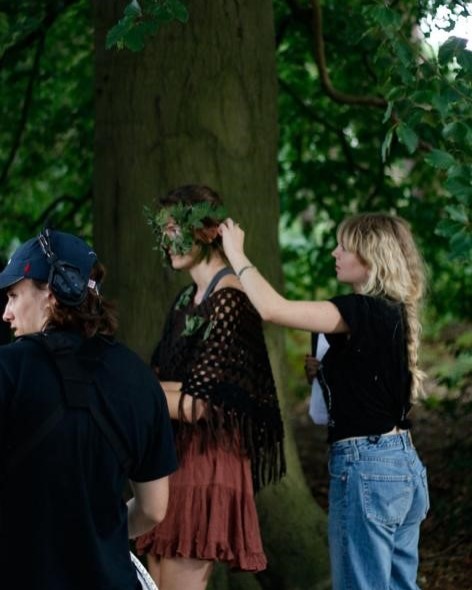
First day, I was dressing the SAs [supporting artists – actors that populate the background of a scene] for the Spanish steps scenes, where Tom Cruise is getting chased in a Fiat. As you do. There were stunts involved, about 120 people so wasn’t a crazy day, but it was heavy. I had a really great team behind me for it though. I think when you go into this industry, you need to have complete transparency about your skills. It’s okay to say you don’t know, can you show me? Pick it up, watch, learn. Then you try and execute. Don’t attempt it if you don’t know because it slows production down in the long run. This was contemporary costume, which is easier. It’s lending a hand with zips and stuff. And then you walk to set and check monitors, making sure that no one has taken off their jacket for continuity, check to see that the supporting artists are generally okay because the weather might be mad, they may need water or extra layers. Anyway, that day was mental. I sort of looked around like, I’m on this big arse set!
And where did you go after that?
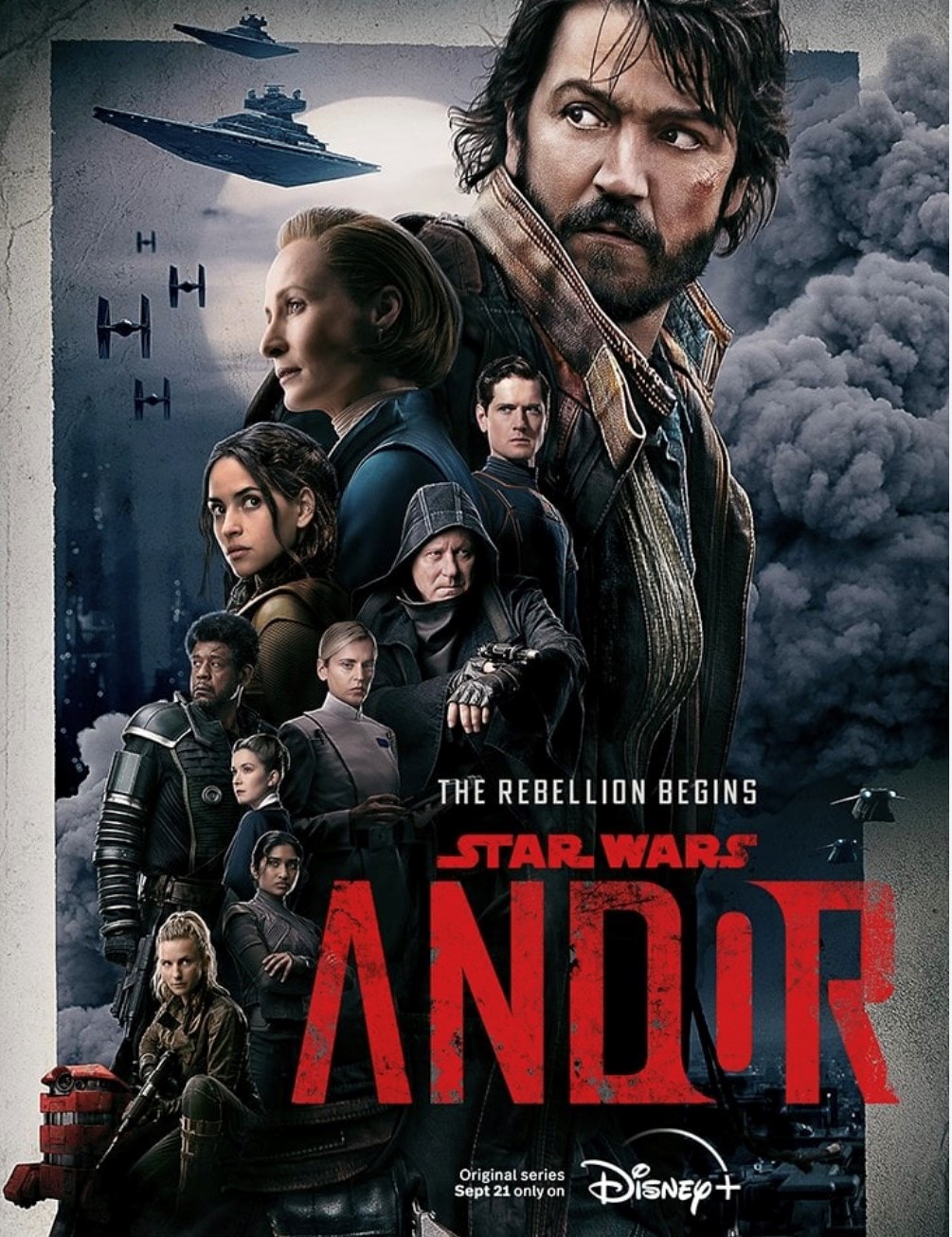
Well, I’ll say that as a trainee, you’ve got to work the floor and network. So, an Assistant Director I’d met gave me a contact, I emailed them and it turned out they needed someone for ‘The Gentleman’ on Netflix, the Guy Ritchie series. Then Star Wars popped up at the end of 2022 and they’d just started filming ‘Andor’ season 2. From January 2023, I was called onto Star Wars a lot and it took off for me. I got along really well with the crew, and then I got contracted and stayed on.
You were a daylee on ‘The Gentleman’ right? What’s it like contractually doing daylee or having a fixed contract?
Being a daylee – you don’t get any holiday pay; you just get your day rate. I’m what you call PAYE – which is ‘pay as you earn’. They use a system called Team Engine usually as well, so you fill in a timesheet. Daylee jobs give you flexibility though and allow you to jump from job to job.
What was one of your most recent Daylee jobs?
I worked on this huge crowd scene for this new Sky show with Eddie Redmayne. I’d worked for that supervisor before on ‘A Quiet Place 3’, so it was nice to come back and be asked by her. Anyway, this day was hectic. Hottest day of the year, 300 SAs in central London on a Sunday. When it’s that big, the call time for us costume department will be three or four hours before the real call time. This was a four-hour pre-call day, so I was there at 4am. Love that on a Sunday! I was running around till 8:15pm. But, I think when you work in film, my advice for anyone is – yes, there are going to be some really gruelling days, weeks, months that you are going to have and you do kind of lose your social life. But, in the long run, the perk of the industry is that you can work a job for five months intensely, solid work that you’re paid well for, (kind of, if you don’t look at the hours!) and you then have the freedom to take some time out for yourself, go travel. You can also get on a job that takes you somewhere. It’s a fascinating industry and I think it’s an industry that’s never going to die.
Author: Lucy Hunt