Members Spotlight: Screendm
// Member News // Members Spotlight // Students & Early Careers
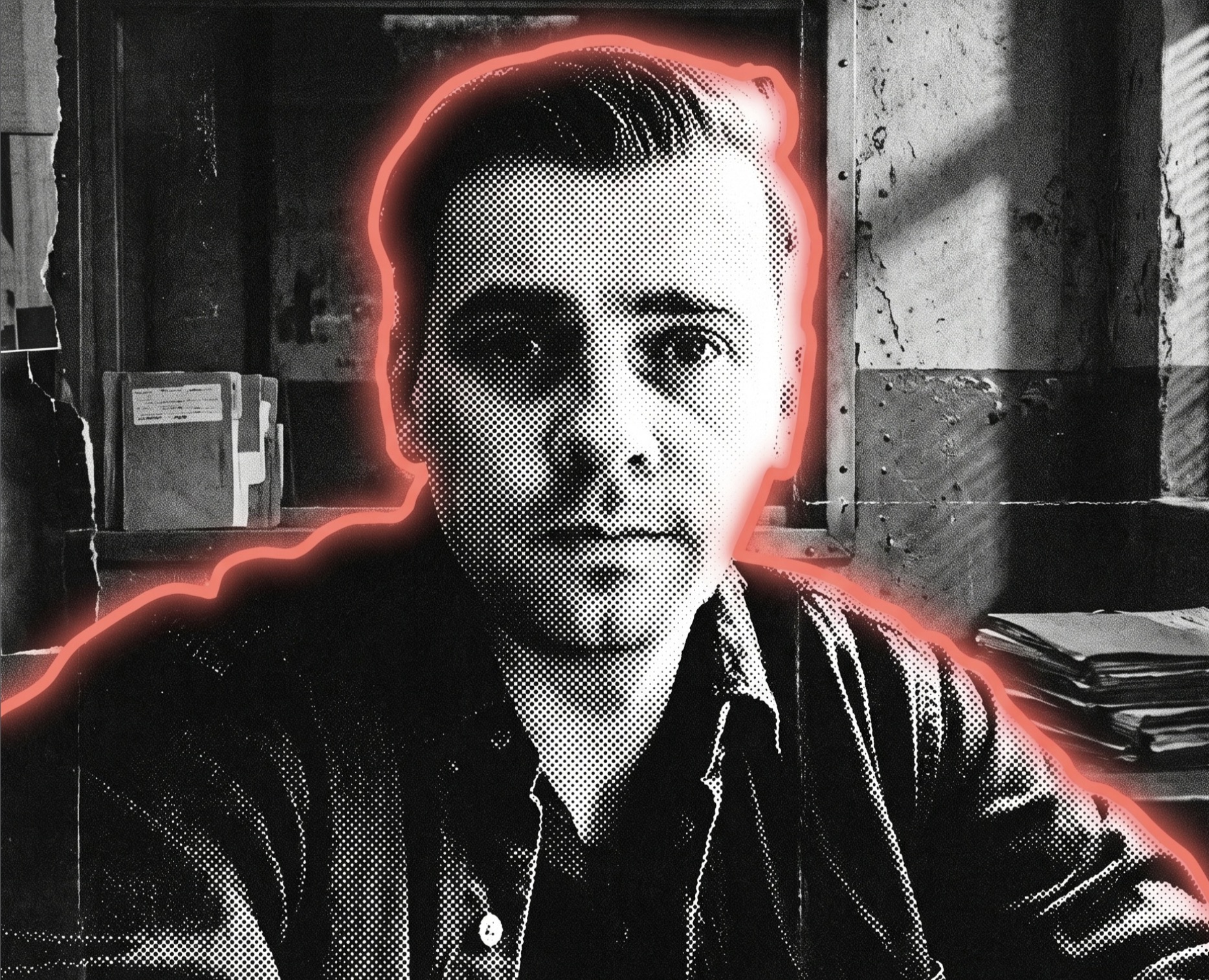

I’m Fenia, a Leadership & Culture Consultant with a background in Occupational and Business Psychology. My work sits at the intersection of wellbeing, creativity and human-centred leadership, supporting individuals, teams and organisations to communicate better, build healthier cultures and lead more authentically. La Route Coaching is a creative leadership and culture platform helping people reconnect with themselves, their work and each other. Rooted in psychology, wellbeing and creativity, we design workshops, coaching experiences and conversations that make leadership more human, accessible and sustainable.
We’re currently expanding our Creative Leadership Programme, creating immersive experiences for creatives, founders and emerging leaders who want to move away from burnout culture and into more intentional ways of working. We’re also building spaces for honest conversation, collaboration and community through workshops, partnerships and live events.
One of our proudest achievements has been designing and delivering two leadership and personal development programmes for students at Kingston University Business School. It was an unforgettable experience to create spaces where young people could openly explore confidence, identity, communication and creativity beyond traditional academic or corporate expectations.
What stayed with us most was witnessing how differently younger generations see the world with more openness, curiosity and emotional awareness. The conversations were honest, reflective and energising, and seeing students engage so deeply with the experience reminded us why human-centred leadership work matters. Those programmes reinforced our belief that the future of leadership needs more authenticity, empathy and meaningful connection.
EDI is embedded into how we work, not treated as a separate initiative. We create accessible and psychologically safe spaces where people from different backgrounds feel seen, heard and valued. Our work challenges traditional leadership models by centring humanity, lived experience, creativity and wellbeing. We’re committed to making leadership development more inclusive, relatable and culturally aware.
1. More honest conversations around burnout, wellbeing and redefining success.
2. The rise of community-led creative spaces where collaboration matters more than competition.
3. Seeing creativity recognised as a leadership skill, not just an artistic one.
1. Performative wellbeing and diversity initiatives without real action behind them.
2. Burnout still being normalised and worn as a badge of honour.
3. Creative industries often remaining inaccessible for people without financial privilege or connections.
A dream collaboration would be with organisations and creatives genuinely committed to reshaping culture in more human ways. Collaborating with spaces like Creative UK, The School of Life, CreativeMornings or community-focused cultural organisations would feel aligned because they value conversation, creativity and connection as tools for change.
Creativity is connection. It’s the ability to imagine new possibilities, express truth and create experiences that bring people closer to themselves and each other. For us, creativity isn’t limited to art. It’s how we communicate, lead, solve problems and build more meaningful ways of living and working.
The next chapter is focused on growing La Route Coaching into a wider creative and cultural platform through leadership programmes, events, partnerships and community experiences. We want to continue creating spaces where people can slow down, reconnect and co-create healthier, more sustainable cultures together.
The industry needs to become more accessible, sustainable and people-centred. Too many creatives are excluded due to financial barriers, burnout and lack of support. We need to move away from gatekeeping and hustle culture towards environments that value wellbeing, collaboration and diverse lived experiences just as much as productivity and output.