‘Single Front Door’: New reports from Creative UK explore how UK Government could further support investment in creative industries
// policy // Reports
Marc Newall is Creative UK’s Senior Policy & Research Associate
In June 2025, the Government published the Creative Industries Sector Plan. It recognised the creative industries as one of the country’s eight priority growth sectors and made a series of commitments on finance, innovation, skills, regional growth, and exports.
Twelve months later, clear progress has been made. New investment has been unlocked, significant R&D funding has been committed, and important policy developments have taken place across AI, education, and place-based growth.
But if the first year of the Sector Plan has demonstrated anything, it is that the sector’s ambitions extend beyond the commitments delivered. The real test now is whether government can build on this momentum and develop a more ambitious long-term agenda for one of the UK’s greatest economic strengths.
Read on to see which commitments have been met, which are in progress and which remain to be seen.
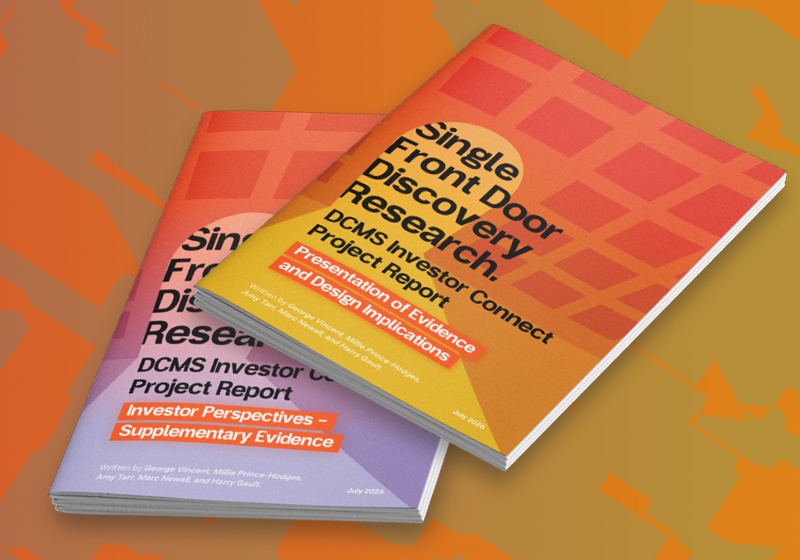
Access to Finance: The British Business Bank has expanded its support for the sector and announced a £45 million investment in Redrice Ventures. Creative UK has also delivered research to support the development of a future Single Front Door service, helping creative businesses better navigate investment opportunities and sources of growth capital.
Innovation and R&D: UKRI launched a new strategy for the creative and cultural economy backed by £500 million in support. Creative UK’s DCMS-commissioned research on AI and technology adoption has also helped identify practical steps needed to accelerate the responsible adoption of emerging technologies across the sector.
Copyright and AI: Meanwhile, the Government’s response to the Copyright and AI consultation moved away from a broad text and data mining exception, recognising the need for further evidence and engagement before pursuing legislative change.
Regional Growth: There has also been meaningful progress on regional growth, with the announcement of a £150 million Creative Places Growth Fund and the launch of a second round of the Creative Industries Clusters Programme.
Education and Skills: The Government accepted recommendations arising from the Curriculum and Assessment Review, including the removal of the English Baccalaureate (EBacc) performance measure. This represents an important opportunity to rebalance the education system and better support creative subjects and pathways.
Trade and Exports: Finally, support for trade and exports has increased through the expansion of UK Export Finance’s capacity, strengthening the support available to exporting creative businesses.
While much progress has been made, some of the most important commitments in the Sector Plan remain unfinished.
The first year of the Sector Plan has demonstrated the value of partnership between government and industry. Important progress has been made, but significant barriers to growth remain – from access to finance to skills, innovation, and exports.
Meeting the sector’s growth ambitions will require more than a series of policy interventions. It demands a clear, long-term strategy that recognises the creative industries as a core driver of the UK’s future prosperity.
That starts with delivering the commitments that remain outstanding. But it also means going further. The creative industries are not simply a cultural success story; we are a strategic economic asset, generating innovation, investment, exports and high-quality jobs in every part of the country.
As the Government develops its growth agenda, the opportunity is not just to complete delivery of the Sector Plan, but to build on it. One year on, the foundations are in place. The challenge now is to match the scale of the UK’s creative potential with an equally ambitious programme of action.