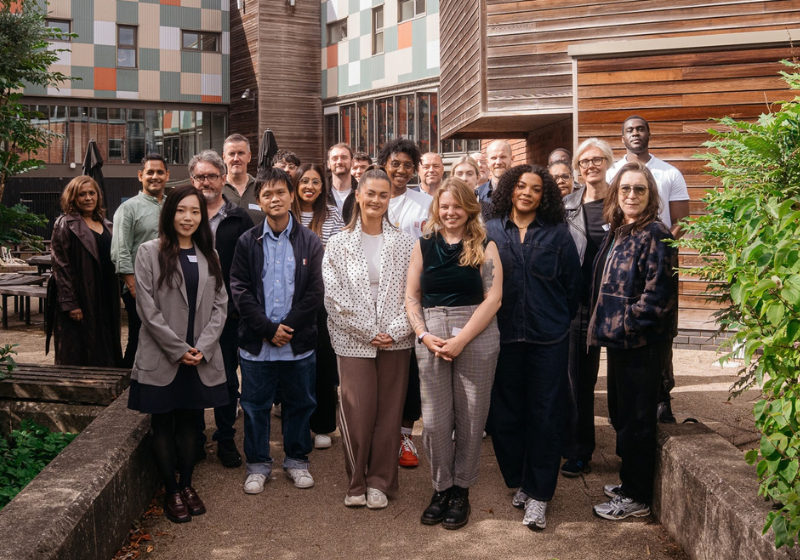
Introducing the West Midlands Create Growth Stage Two cohort
//
Written by Kelly Wiffen and James Collins at Spotlight.
We do not take our responsibility, nor our heritage lightly, and we see advocacy as central to our role. While we do not speak for a membership, we do have a role within the sector as a facilitator and we regularly bring together different organisations to discuss topics or issues that are pertinent to performers to ensure that these matters are considered by the sector as a whole.
One such issue that we are working with partners is to improve the safeguarding and financial protections for young performers. The current Regulations do not meet our sector practices in a way that ensures these performers are afforded the protection they need to work safely and continue their education. We have agreement from the Department for Education that the Regulations need updating and we are working with them alongside our partners to achieve that. Another important issue for our sector is how we improve the freedom of movement for performers post Brexit. After the Culture, Media and Sport Select Committee inquiry into the impact of Brexit on performers, where Spotlight gave and submitted evidence, we are looking to work with partners to help lobby both the UK and EU Governments to improve the ability of performers to work both here and in the EU.
Finally, overarching all this work is to promote the sustainability of careers for performers, which requires a recognition of the professionalism and commitment they deliver for their vocation. Language in Government focuses on the value of performing for wellbeing and community purposes and does not recognise the value performers bring to the cultural economy. This has a dual knock on effect. Firstly, those people who come from working class or underrepresented groups will not consider performing as a serious career and our cultural offer will be diminished because of that. Secondly, without recognising the ongoing skills development and experience required to be a performer, the money needed to reach them to make their careers truly sustainable will not follow. If it is something anyone can do, how can we argue that they need a living wage in order for them to do it as a career?
As part of Creative UK, we hope that allying with our partners in the sector, those who see the value and importance of what we do as part of the wider economy and for our own social value here in the United Kingdom, will help us elevate these aims and ensure that the next generation of performers are not only well paid, and respected but also represent who we are as a country.