Members Spotlight: People People
// Member News // Members Spotlight
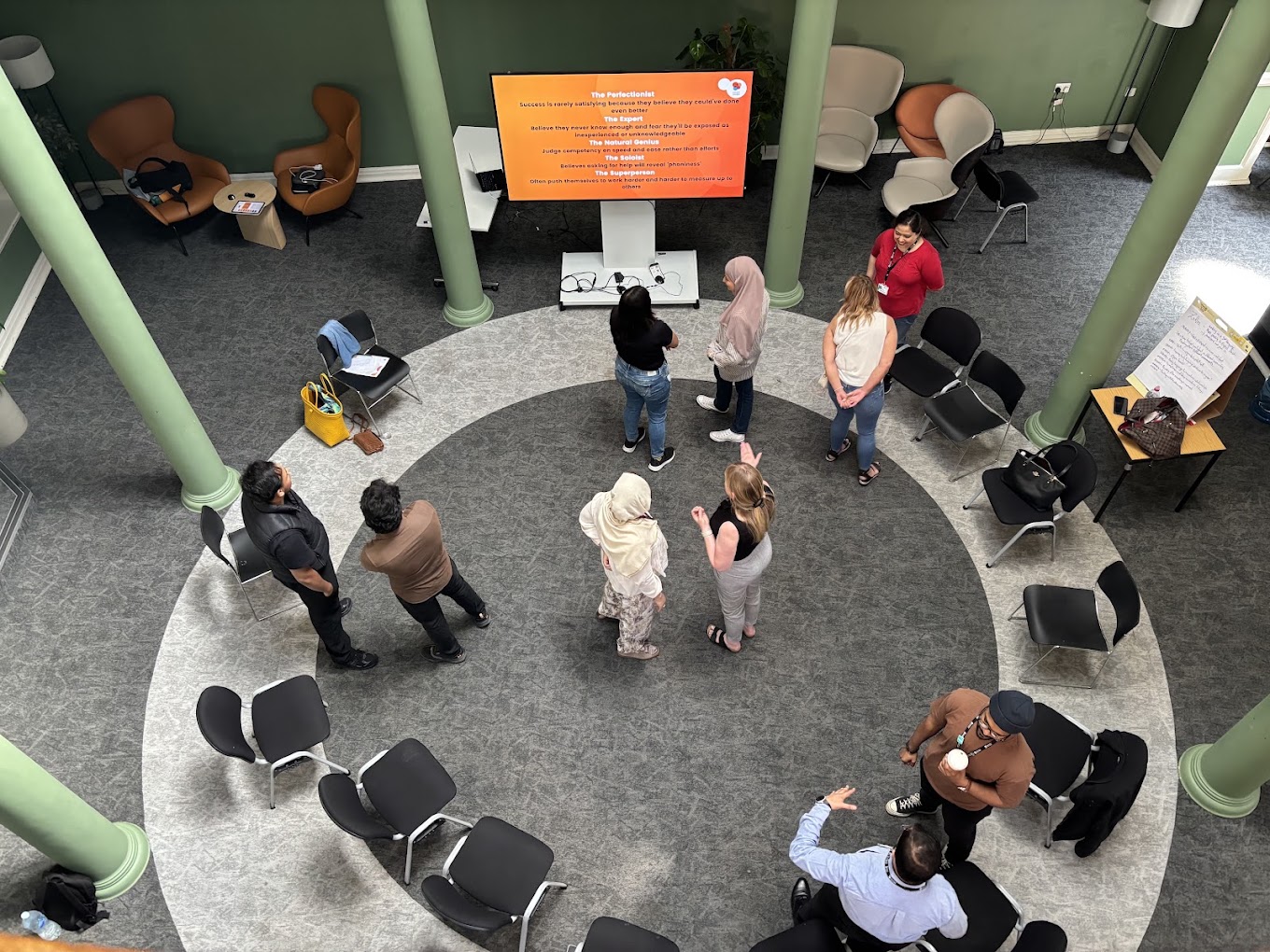

I’m Rob Kirby, founder of People People. We’re a learning and development consultancy that helps people communicate and lead with more confidence, humanity and skill at work, founded with the support of the King’s Trust. I trained as an actor originally, before moving into executive coaching and behavioural psychology. We deliver in-house practical, interactive, tailored and experiential training, blending theatre techniques, psychology and executive coaching across sectors including hospitality, arts and culture, higher education and public sector organisations like the NHS, to name a few!
We’re deepening our relationship with creative sector clients, running everything from conflict sessions for front of house teams, to difficult conversations across organisations, to end-to-end management development programmes for emerging and established people managers, as well as presentation skills training. We also want to democratise learning, so with Creative UK’s support, we’re delivering five free taster sessions on presentations, feedback, leading creative people, navigating imposter syndrome and difficult conversations, and have decided on these topics based on Skills England data. I’m also (slowly) working on a book about presenting, considering how the psychology of presenting intersects with behavioural outputs.
We work with a care organisation which supports people with learning disabilities and autism. They were creating a training pathway for their staff that drew on the lived experience of the people they support, and we were asked to play a small part in it: designing a session ahead of filming to help participants feel comfortable with each other, comfortable sharing their experience, and unintimidated by the filming equipment. Hand on heart, it’s the most rewarding thing we’ve done, being a small part of a much bigger effort to raise awareness of how people want to be supported, and heard. We also partnered with one of the largest arts centres in the UK to design and deliver their first management development programme, supporting upwards of 80 managers to think about the relational side of how they work with their teams.
I think there are wider conversations to be had about the very principle of training, and how the act of learning itself can feel exclusionary to many. The idea of training implies there’s a place to get to, somewhere to reach, and for many of our participants that innate message is instantly exclusionary. We all also have very different experiences of learning environments, often not great ones, and this felt response is alive in people when in relationship to a group when on a course. So we’re working with our partner clients and associate teams to develop an ethos we bring to everyone we work with, one that takes the power and authority away from the facilitator or trainer and uses them instead as a tool to excavate the expertise already in the room. We believe that by inviting individuals to bring their own experience into the room and identify what they’re doing that is already effective, it balances the space, and people learn from one another. From this place, I think people feel more welcomed, and can then identify for themselves where they might want to develop, which the learning intervention then serves.
1. More organisations treating communication and leadership as trainable skill rather than focussing solely on digital/AI.
2. L&D is increasingly changing from an industry that was largely an ‘order taker’ (for example, commissioning a course because people have asked for it) to one of organisational and human development, where causes and needs are properly diagnosed before anything is commissioned.
3. The learning community Creative UK is building in the Creative sector!
1. L&D pricing that shuts creative sector organisations (and others) out of accessing it. Clients tell us about outrageous quotes they’ve received, and I think a lot of it is unjustifiable.
2. Ghosting and the sometimes-transactional nature of the L&D sector. We are often called a ‘supplier’, and whilst technically accurate in that we supply learning solutions, I’d love a deeper relational and partnership focussed approach.
3. How often training doesn’t really change anything, because it gets delivered as a PowerPoint read aloud, or the organisation doesn’t have the resources to embed the learning afterwards.
Have you ever watched the Showtime network series Couples Therapy? I love it! It’d be a joy to partner with the psychoanalyst on that show, Dr Orna Guralnik, to understand more about relational dynamics in the workplace and how we communicate being symptoms of all that stuff. In a way, aren’t we all coupled with the organisations we work in?!
Creativity is the ability to connect with a part of yourself and something other than yourself, in service of your soul, and others. Whether it’s a different way of making a cup of tea or the next Emma Rice production, it’s something I think is, and should be, accessible to everyone.
We want to keep developing an offer that’s meaningful and accessible for creative organisations, finish the book on presenting, and make sure we balance all of that with a balanced way of living and staying present!
Senior leaders need to properly recognise, and embody, a learning mindset, and show up on courses. Many senior leaders in larger arts organisations seem locked away in ivory towers, and their lack of visibility in learning spaces means the people “below” them have no blueprint of what good embodied learning looks like. Hierarchy is alive and well, and we can all keep learning!