Members Spotlight: British Fashion Council
// Member News // Members Spotlight


I’m David Leigh-Pemberton, Deputy Director of Policy & Engagement at the British Fashion Council (BFC), the trade body for fashion design and fashion/fashion-led retail. I lead public affairs, government relations and international engagement. My work sits at the intersection of creativity, culture and economic policy, advocating for the designers and businesses that power one of the UK’s most globally influential creative industries. That means working with government on issues such as trade, skills, sustainability and growth, while also helping position British fashion internationally through platforms like London Fashion Week. At its core, my role is about ensuring the voice of fashion, particularly designer-led businesses, is heard in policy conversations that shape the future of the creative economy.
Right now a big focus is strengthening the global positioning of British fashion. We’re developing international partnerships that help UK designers access new markets, while also working with government to ensure the sector is recognised as both a cultural force and an export powerhouse. Alongside this, we’re supporting designers to navigate finance and growth, demystifying things like banking relationships, investment and export finance. We’re also continuing to build the policy case for the sector: from tourism and retail policies that impact international visitors, to ensuring fashion is properly recognised in economic data and creative-industry policy frameworks. We’re also about to launch the BFC’s new strategy, so watch this space…

Photo credit: British Fashion Council
One of the things we’re most proud of is how the BFC has built platforms that nurture creative talent while also supporting the businesses behind it. Through programmes like BFC NEWGEN, we’ve helped launch and support generations of designers who now shape global fashion, like JW Anderson at Dior or Grace Wales Bonner at Hermes, to name just two current examples. At the same time, platforms such as London Fashion Week continue to position the UK as a creative capital, showcasing new ideas, championing innovation and connecting designers with buyers, press and investors from around the world.
Equity, diversity and inclusion are fundamental to the future of British fashion because the sector thrives on different perspectives, backgrounds and voices. The BFC works to champion this through programmes that expand access to opportunities, particularly for emerging talent who might not otherwise have a pathway into the industry. Our work through the Institute of Positive Fashion also places inclusion at the centre of conversations around responsible business practices. Whether through mentoring, scholarships, or ensuring our platforms reflect the diversity of the UK’s creative community, the goal is simple: to ensure the next generation of fashion talent reflects the society it serves.

Photo credit: British Fashion Council
First, the continued creative fearlessness of London designers; there’s a confidence in experimentation that remains unique to the UK.
Second, the growing intersection between culture, technology and fashion: from digital storytelling to new materials and circular design thinking.
Third, the increasing recognition of fashion as both a cultural and economic powerhouse. When designers, investors, policymakers and cultural institutions work together, it unlocks incredible potential for the UK’s creative economy.
The first is access to finance: creative businesses often struggle to find the right kind of capital to grow.
Second, the complexity of international trade and regulation, which can be particularly challenging for smaller designer-led brands trying to scale globally.
And third, the speed and scale at which new regulations are being introduced, particularly in the EU. While vital to keep fashion moving in the right environmental direction, the challenge of introducing multiple new regulations and laws into businesses, especially SMEs, is considerable.
The most exciting collaborations often happen at the intersection of different creative disciplines. I’d love to see more projects that bring fashion together with cultural institutions, museums, performance, architecture or film, to explore how creativity travels across mediums. Internationally, collaborations that connect emerging designers with new markets are also incredibly powerful. When creative talent meets global audiences, it can transform both cultural dialogue and commercial opportunity.
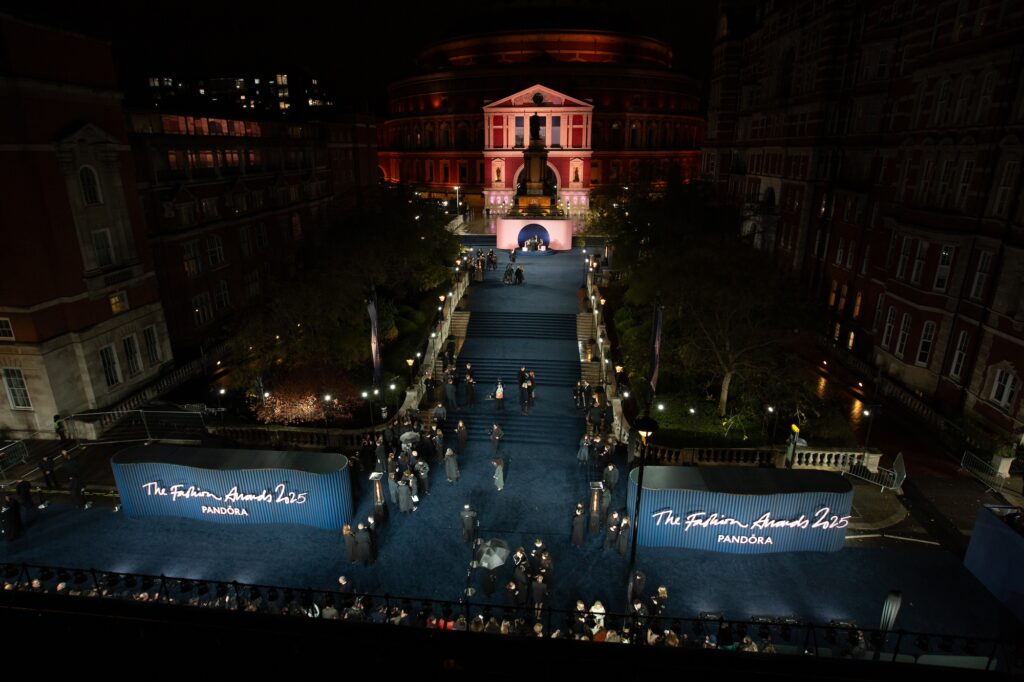
Photo credit: British Fashion Council
Creativity is the ability to see possibility where others see constraints. In fashion, that might mean reimagining materials, challenging conventions, or expressing identity through design. But creativity also exists beyond the design studio. It’s present in how businesses grow, how policies evolve, and how cultural ideas move across borders. At its best, creativity drives progress: shaping culture, challenging norms and opening new ways of thinking about the world.
The next phase for the BFC is about strengthening fashion’s role within the wider creative economy while continuing to support designers to build sustainable, globally competitive businesses. That means deepening international partnerships, expanding opportunities for emerging talent, and ensuring the sector has the policy environment it needs to thrive, from trade and exports to skills and investment. Above all, it’s about continuing to champion British fashion as a world-leading creative force.
One of the biggest shifts needed is greater recognition of the creative industries as strategic economic infrastructure. Sectors like fashion, film, music and design drive exports, tourism, innovation and global cultural influence. That means ensuring policies, from education and skills to trade, investment and taxation, fully support creative businesses to grow. If the UK wants to remain a global creative leader, we need an environment where talent can emerge, businesses can scale, and creativity is recognised not just as culture, but as a cornerstone of the modern economy.