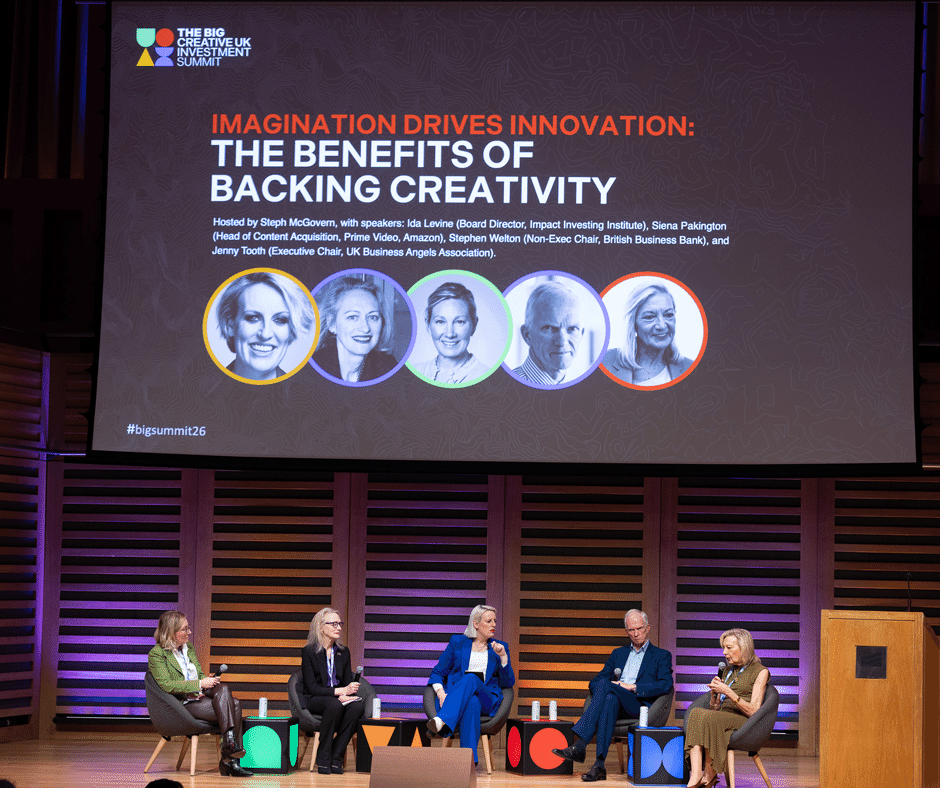
The Big Creative UK Investment Summit: West Midlands showcases a region on the rise
//
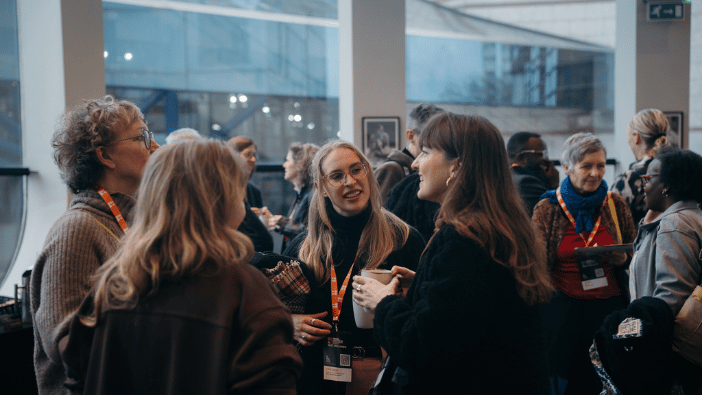
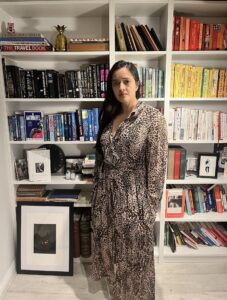
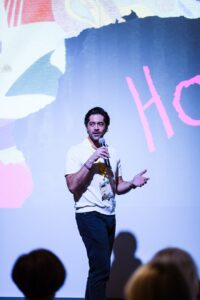
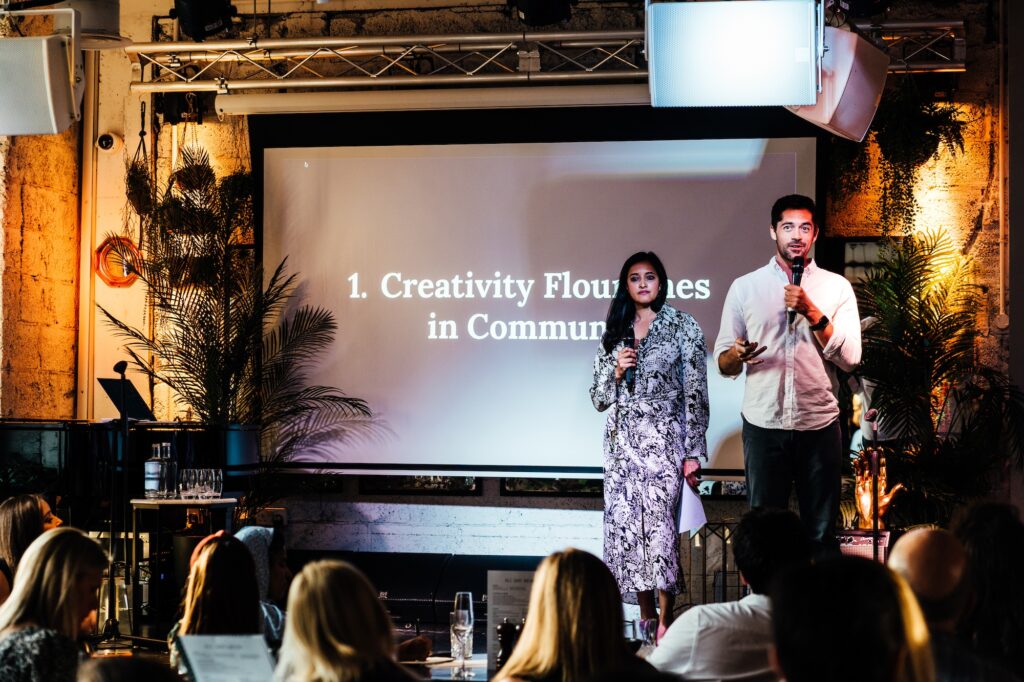
We’re Matt & Parul, co-founders of the London Writers’ Salon, a global writing community helping writers build a creative life. Our aim is to create a safe space where anyone can express themselves through their writing and tap into their creative self. We sit at the intersection of all creative writing, whether that’s writing books, screenplays, poetry or journaling. Practically speaking, we run events and host an online community that spills into in-person meet-ups.
When we first started gathering writers, we had a hunch that there was a need for writers to meet each other and for them to feel seen, but we’ve discovered that the impact is even deeper than that. We’ve seen firsthand how writing and creativity, when done in community, can help us build more meaningful lives and create a better and more connected world.
We have several projects we’re focusing on at the moment, all aimed at serving writers, or anyone with a desire to write.
Writers’ Hour is a silent online writing session where people gather simply to write together. We host it four times a day, and around 1,000 writers join us daily. We’re now exploring how Writers’ Hour can scale meaningfully, reaching more people across the UK and internationally, including those who might not yet call themselves writers. We also want to expand access for underserved communities and those who feel marginalised or excluded by the publishing industry.
24-Writing Sprint: There’s a special kind of magic that happens when writers gather in silence, like the collective energy you feel in a large meditation. It becomes even more powerful at scale. Each year we host a virtual 24-hour Writing Sprint for thousands of writers. This April, we’re hosting the largest one yet. We’ll write through the day and night across time zones, generate millions of words, and have so much fun doing it.
Membership Community: We’re always looking for better ways to serve our online writing community because our members span every genre: novels, plays, essays, poetry, and more. Each month we run 30+ online events (many led by writers themselves), alongside always-open gathering spaces like The Virtual Cabin, Library, and Café: all 24/7 Zoom rooms where writers can show up, work, and feel less alone.
Now we’re focusing on the next evolution: becoming what we’ve long imagined – the Peloton for writers. That means tightening our programming and infrastructure so writers get consistent, high-quality sessions they can rely on, and clear pathways that help them reach real creative goals. At the heart of everything we do is a simple desire: to create a home for creatives where they can be seen, encouraged, and helped to realise their full potential.
The Creative Health Movement: In the last few years, we’ve realised that this isn’t just about writing, it’s about creative health: the role creativity plays in human wellbeing. Research in neuroaesthetics and the emerging field of neuroarts is building the case that arts and aesthetic experiences can measurably affect the brain and body, with implications for health, learning, and wellbeing. Our friends at the International Arts + Mind Lab (IAM Lab) at Johns Hopkins are among the leading groups translating this research into practice.
We want to explore this idea of Creative Health being as important as physical and mental health and we’re talking to a few academic institutions about how we can quantify the benefits we’re hearing about from our writers: that a consistent writing practice improves focus, mood, resilience, and connection. Our aim is to create a Whitepaper to share our learnings. Ultimately, we want to amplify the power of writing as a wellbeing and cultural tool. We’re actively looking for organisations who might be interested in collaborating with us on this.
Being nominated for a Webby Award alongside the Sydney Opera House and MoMA was a career highlight — especially for our daily Writers’ Hour, which began as an experiment during lockdown. But the real highlight is what happens every day: We’ve been going for 6 years and we’ve created a place of solace and joy. Every weekday, 1000 writers show up with an intention to write. We’ve now supported 30,000+ writers, and the proof is in the outcome: creative collaborations, friendships, improved mental health, and thousands of stories that have become books, plays, screenplays, essays, and articles.
As one of our co-founders (Parul) comes from a minority background, this is core to our ethos. Our mission is simple: empower the world to write. And that means everyone, regardless of income, background, or location. Writers’ Hourruns four times daily across time zones, and is priced so that anyone can join. We also offer subsidised memberships and targeted outreach to underrepresented communities. Writing shouldn’t be reserved for the privileged few — it’s a necessary tool for self-expression, wellbeing and social change. If we remove barriers, we can make it possible for everyone to step into the identity of “writer.” And this is what the world needs more of: more voices that represent us all, not just the few.
First, the rise of newer platforms like Substack and Metalabel, which give writers new ways to publish, connect with audiences, and earn directly from their work.
Second, the empowering work of organisations like Arvon, Film London and the Women’s Prize for Fiction, who fight for visibility and recognition for writers in the UK through grants, awards and programming.
Third, we’re loving the growing recognition across sectors that writing isn’t just an art form but also a vital practice for mental and creative health. We’re seeing academic organisations like the International Arts + Mind Lab: The Center for Applied Neuroaesthetics (Johns Hopkins) help spread the message that those of us in the creative fields know: creativity is essential for our wellbeing.
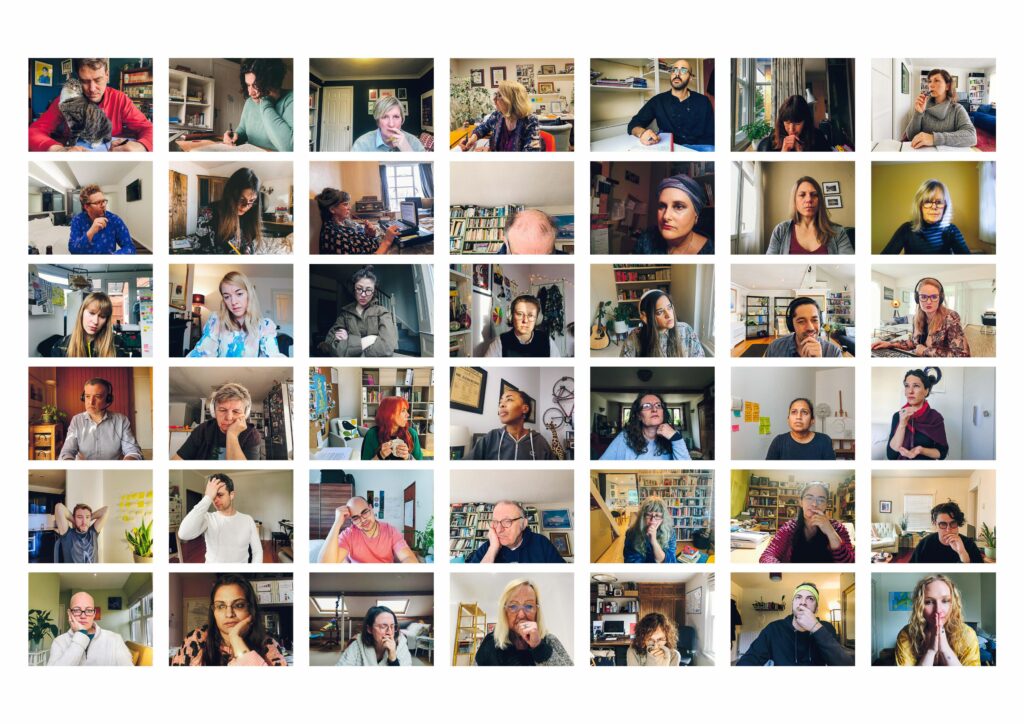
First, writing is still too often framed as indulgent and elitist — a hobby for the few, rather than a practice available to anyone who wants to make meaning, tell the truth, or pay attention.
Second, many writers face financial and structural barriers that make sustaining a writing life and certainly a writing career difficult. Time, childcare, caring responsibilities, and access to networks still shut too many people out.
Third, with the fast-changing landscape of AI, writers are understandably anxious about the future of creativity and their livelihoods. Of course, no one knows how these changes will affect creativity long-term, but we believe that despite the changes coming, original creative thought will be humanity’s edge and that the very practice of making art will always hold extraordinary value for humans. We think that creative writing is one of the most accessible ways to stay close to that practice: it’s available to anyone with a pen, paper and some focus.
We’d love to partner with Moleskine, Adobe, Canva or Remarkable or any other organisation that shares our vision of a united, creative world. These particular companies have incredible products that support creative work worldwide. We’re also keen to work with large employers who are looking to encourage their staff to develop their creative wellbeing and mental health.
Creativity is our innate ability to imagine and express ourselves. It’s how humans make meaning, connect, and bring ideas into the world. We’ve found that creativity is more likely to show up when we build a daily practice of writing, rather than waiting for inspiration to arrive.
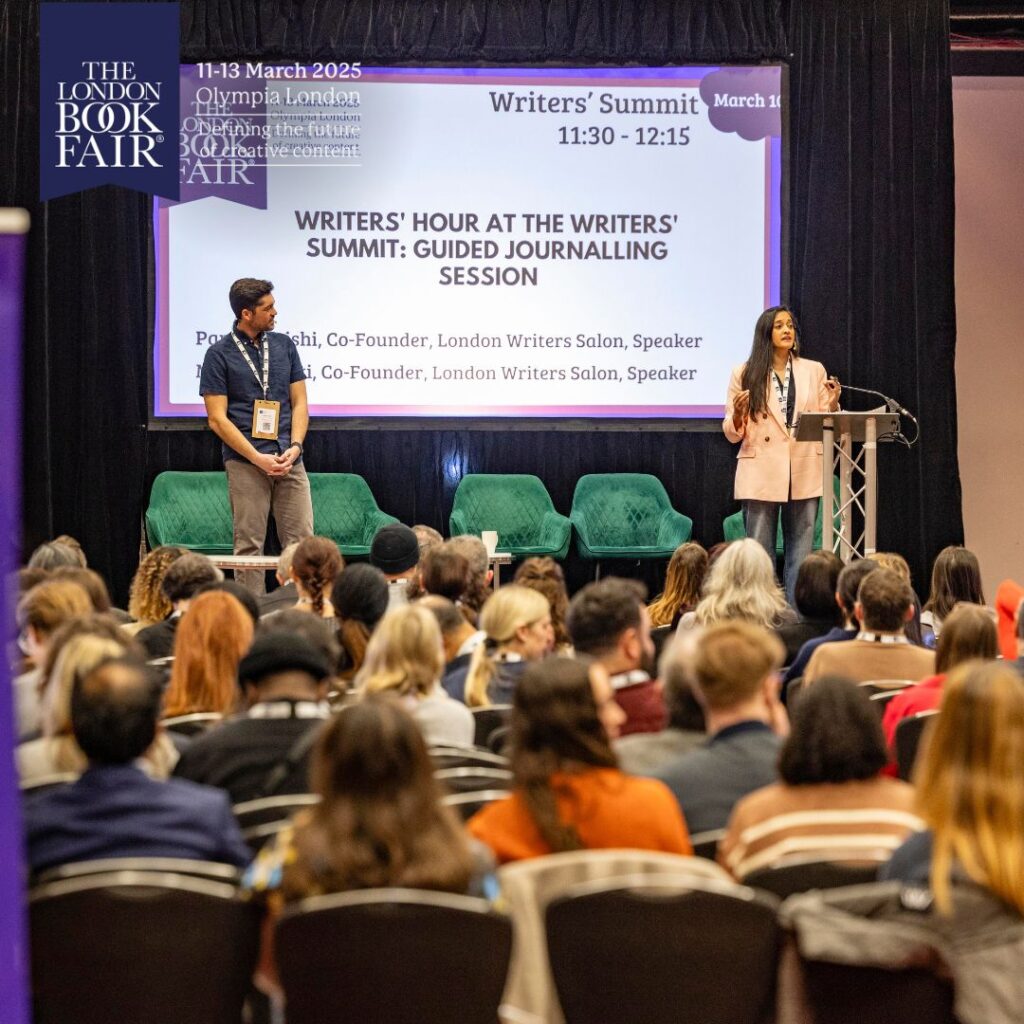
Photo credit: Tom Leighton
We want to help embed creativity across the nation. Through Writers’ Hour, we’d like to see writing democratised, so that everyone feels that writing is a tool they can access for creative and mental health. That’s why we run a generous bursary programme and that’s why one of our next steps is to reach out to more potential writers through new partners, as well as organic outreach and special events.
Alongside the online work, we’re also exploring a more physical future: local creative writing hubs across the UK. Online community is our foundation but now we want to complement it with in-person touchpoints: local writing hubs and gatherings that might deepen a sense of belonging, friendship and creative practice in the real world.
We think the industry needs to be more accessible; Creativity isn’t for a few elite artists – it should be something we all have access to. How can we make this happen? We need to get together and collaborate across sectors, share resources and consider how we can collectively better serve our communities. We also need sustained investment in creative health: recognising writing and storytelling not as luxuries but as essential practices for wellbeing and social cohesion. That investment needs to start in the education system.